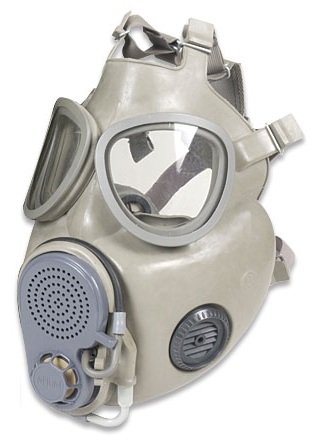
 Wet Plate Collodion
International Collection "The
Mask Series" organized by Shane
Balkowitsch
Wet Plate Collodion
International Collection "The
Mask Series" organized by Shane
Balkowitsch
Wet Plate Ambrotype Photography
"Capturing Images in Silver on Glass using Light"
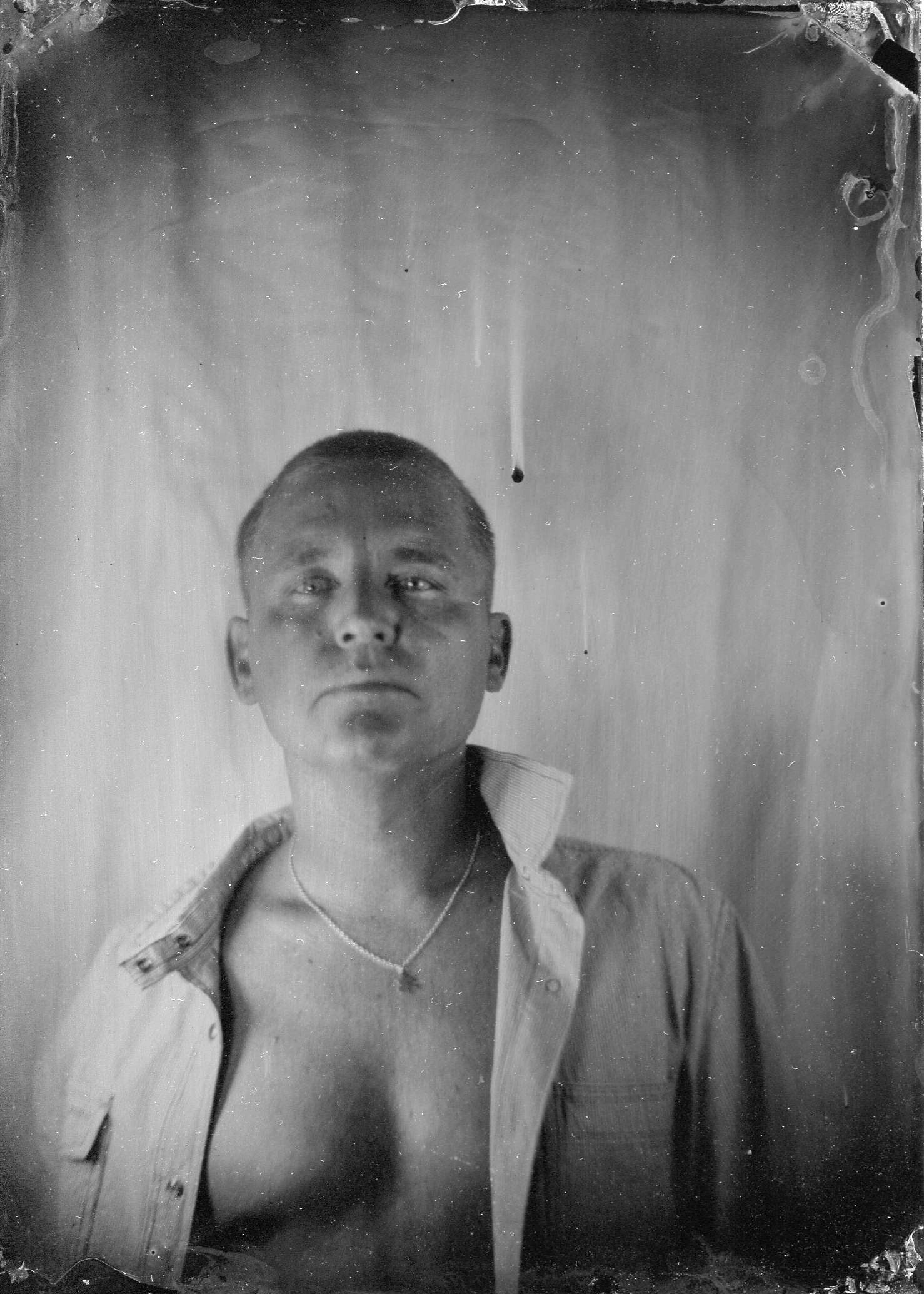
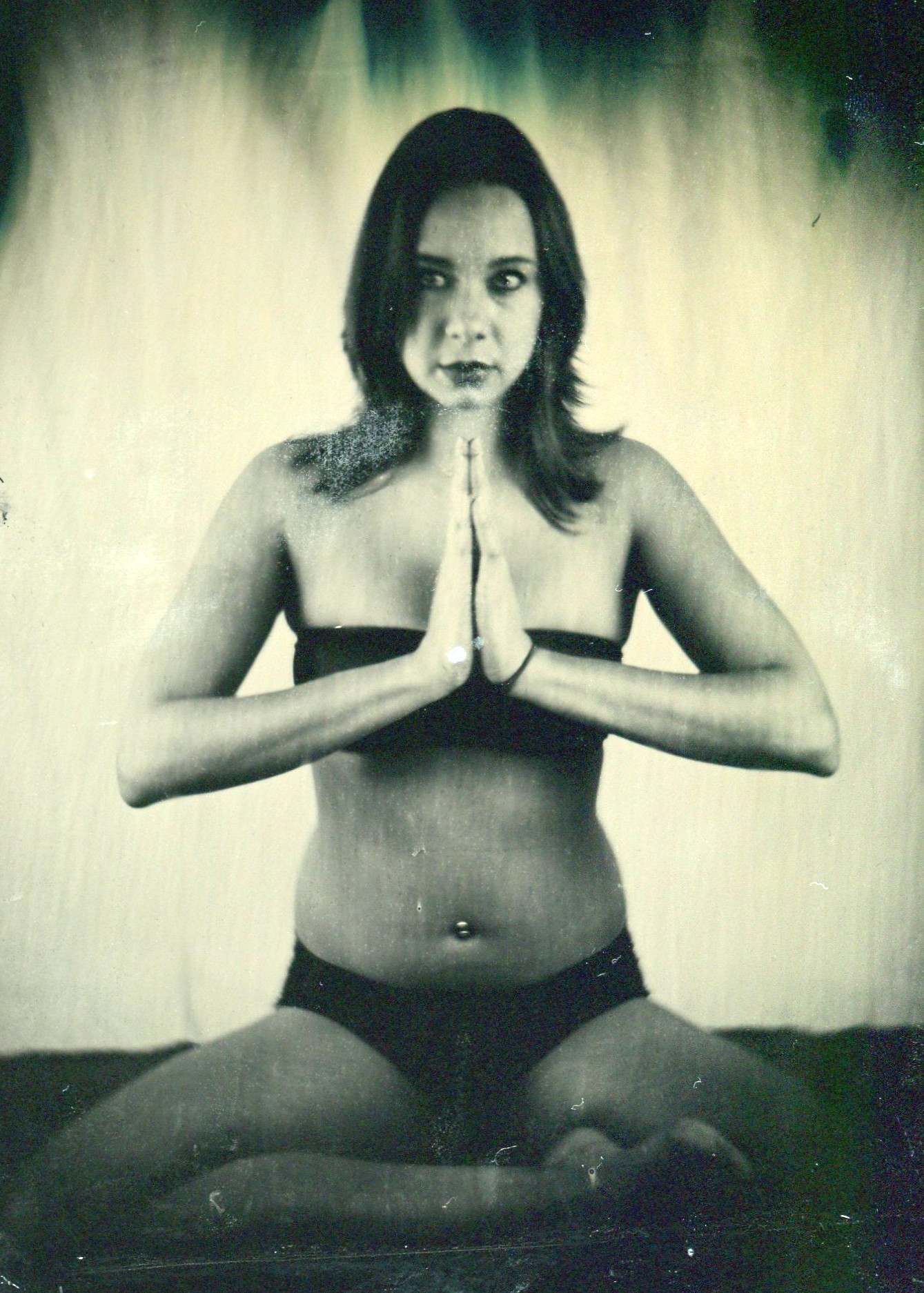
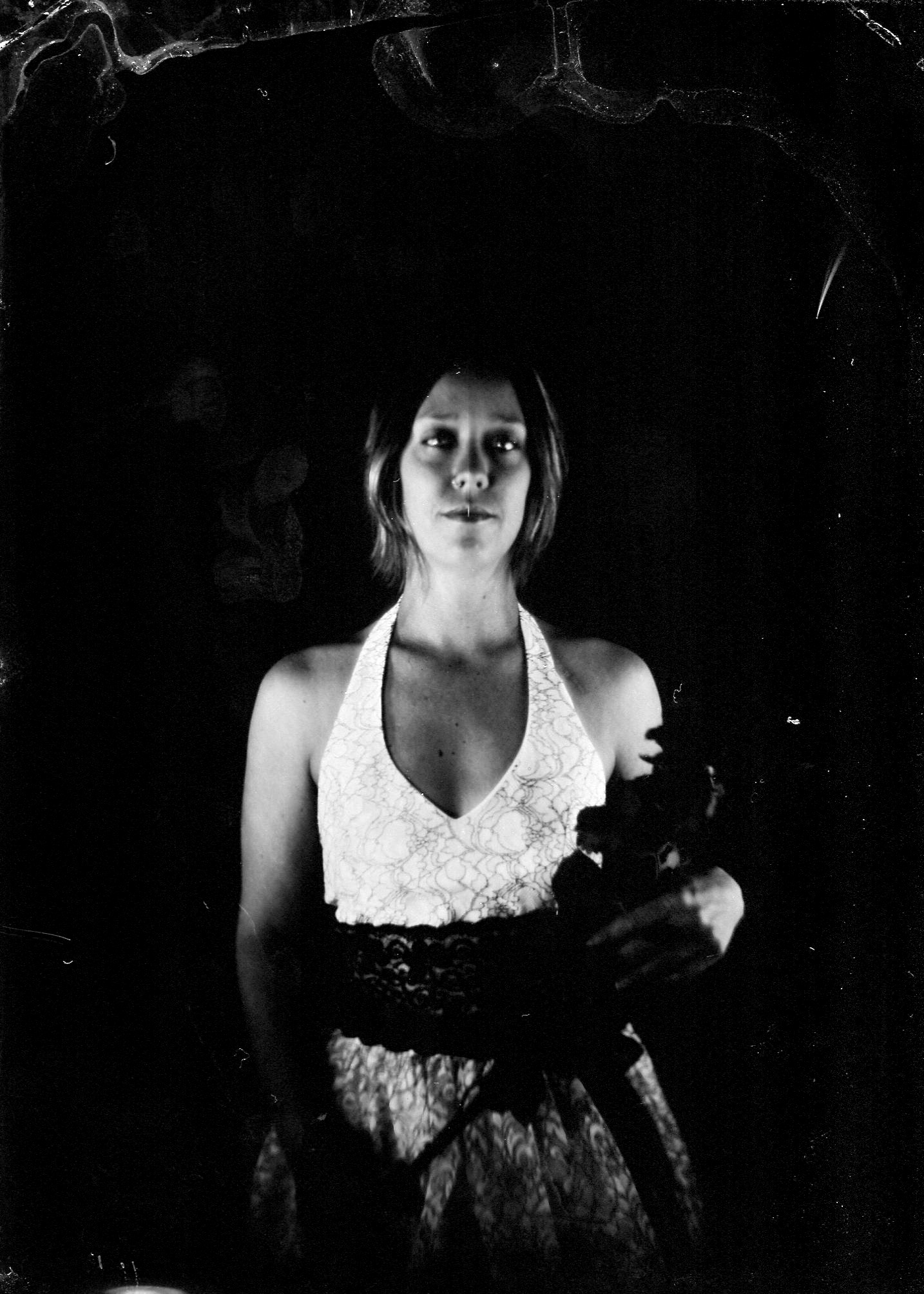
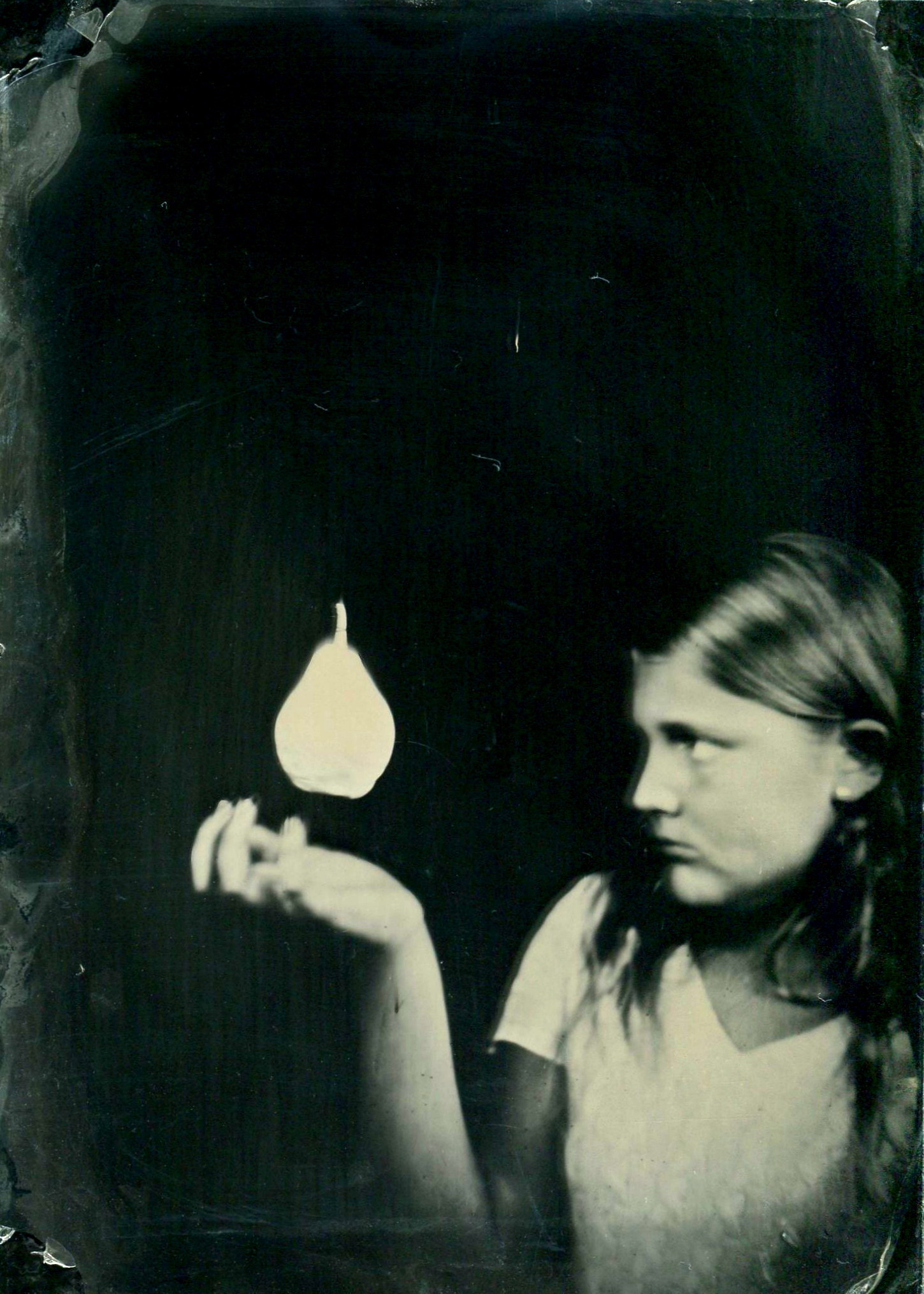
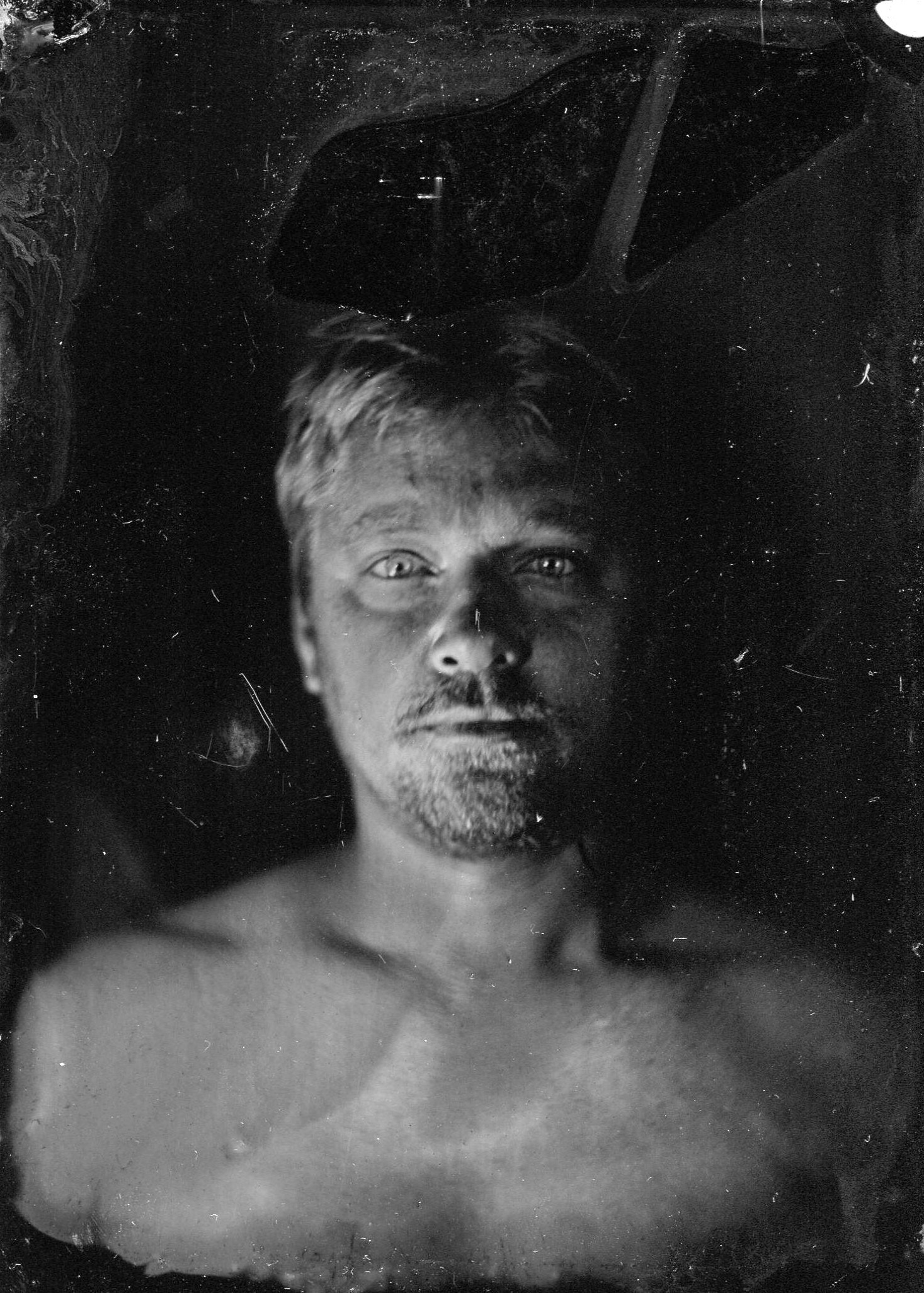
Wet plate collodion is one of the earliest forms of photography. Frederick Scott Archer has been credited with inventing this historic process back in 1848. The process became very popular worldwide but then quickly died off in the 1880's when a more convenient way of taking photographs was invented. In recent years there has been a small revival of the process when a number of contemporary photographers decided to go back to the roots of photography and embrace the old. Making a wet plate can be difficult, timely, costly, unpredictable, and requires a high degree of commitment. The images can be captured on glass (ambrotype) or on metal (tin type). The word Ambrotype is translated in Ancient Greek as "Immortal Impression". Digital photography of today relies on technology, wet plate photography relies on 160 year old chemistry and a bit of magic and some luck.
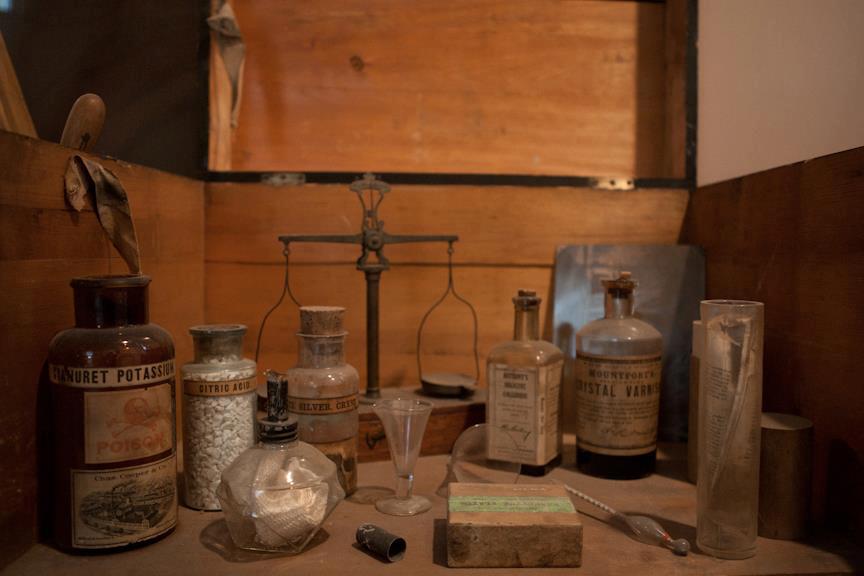
A wet plate photographer makes a film base on a piece of glass or metal using collodion, submerges it in a silver nitrate solution to make it light sensitive, and then exposes the photograph usually in an old style wood bellows camera box and antique brass lens from the 1800's. The process is called wet plate because during the entire process the chemicals on the plates must remain wet and cannot be allowed to dry. The end result is a one-of-a-kind, archival object of art that will last many lifetimes. There are wet plates of Abraham Lincoln that look just as good today as they did a century and a half ago. It is thought that less than 1000 people worldwide carry on the tradition of wet plate today and most of those individuals are professional photographers at the height of their career. Each and every day the world is filled with millions and millions of digital photographs that have no value, character, significance or physical form, that is not the case with each and every wet plate. The wet plate process is magical and the end result is tangible and precious.
CLICK HERE for More on the Wet Plate Technique
For an Appointment or Consult, Contact: Wet Plate Images
Resources
Chad Balkowitsch, Ambrotypist
Stoic
Glass Portrait Studio
4419 Centurion Dr.
Bismarck, ND 58504
chad@balkowitsch.com
(701)527-9205
Phone

Star Camera Company (Maker of Fine Camera Boxes and other Accessories)
Bostick & Sullivan (Suppliers of Handcrafted Wet Plate Chemicals)
Facebook Groups:
 Wet Plate Collodion Photographer run by Artur Kowallick
 Wet Plate Collodion Group run by Quinn Jacobson
Friends and Related Websites:
CLICK HERE to view a superb video By John Coffer
Ed Ross Photography (Award Winning Wet Plate Photography)
Mark Sink Photography (Wet Plate Photography)
Wet Plate Collodion Scoop It Page


Notable Quotes:
“My first impression was that it was some kind of miracle. It seemed like it created itself in some way. It just didn’t seem like anybody could have made anything like this. It was like a force of nature in this case, it was remarkable.” - Jerry Spagnoli on the Daguerreotype Process that predates Wet Plate
"You don't take a picture, it is given to you" - Alex Timmerman
Historic Wet Plate Photographs
|
Frederick Stott Archer invented Wet Plate in 1848. The father of Collodion Wet Plate photography and the publisher of the very famous text on the subject called "The Chemist"
|
Abraham Lincoln a few years before his assassination. |
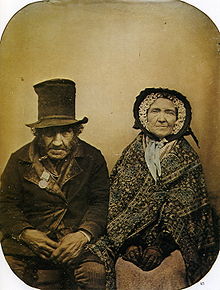
Wet Plate Tin Type photograph of an anonymous "Veteran with his wife" taken by Frederick Scott Archer in 1850.
|
Tom Thumb in 1860.
|
|
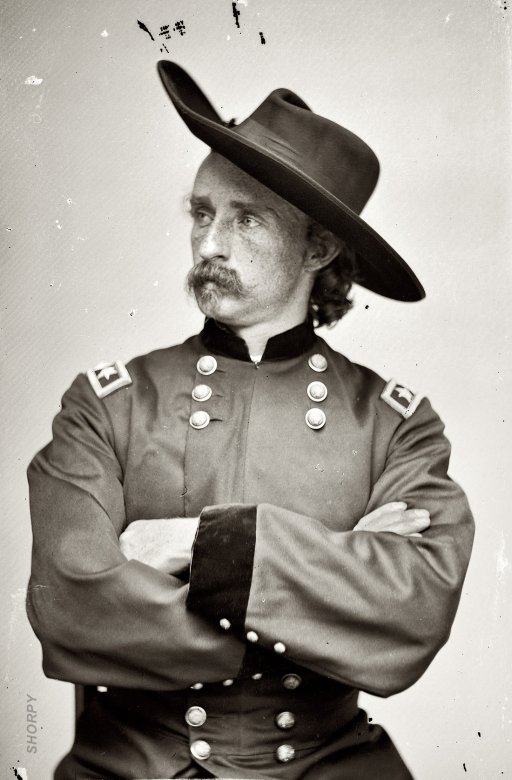
General George Armstrong Custer |
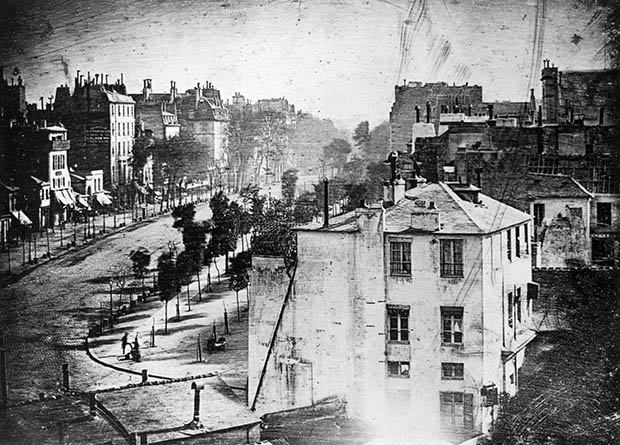
First ever photograph of a human being, 1838, Boulevard du Temple in Paris taken by Louis Daguerre, the father of Daguerreotype photography which predates Wet Plate by a decade. |
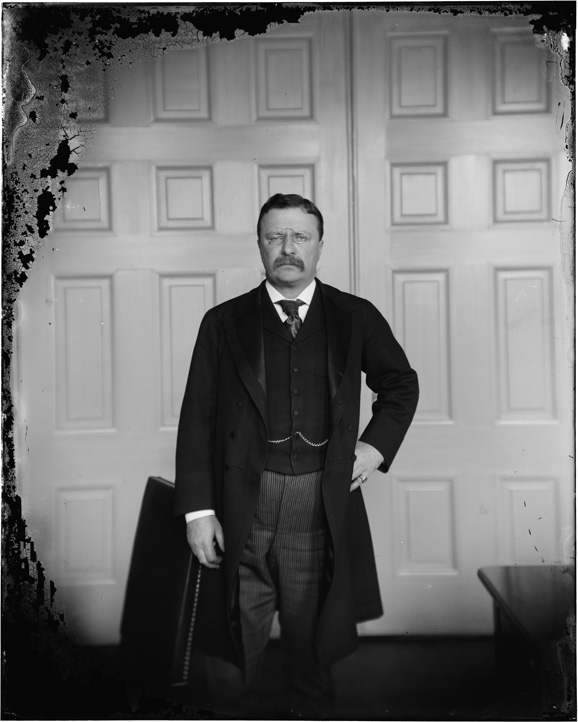
Theodore Roosevelt on a deteriorating plate. |



Visitors since December, 2012:
Copyright Note: All referenced photographs, images and logos provided above are for informational purposes only and they are the property of their respective owners.